

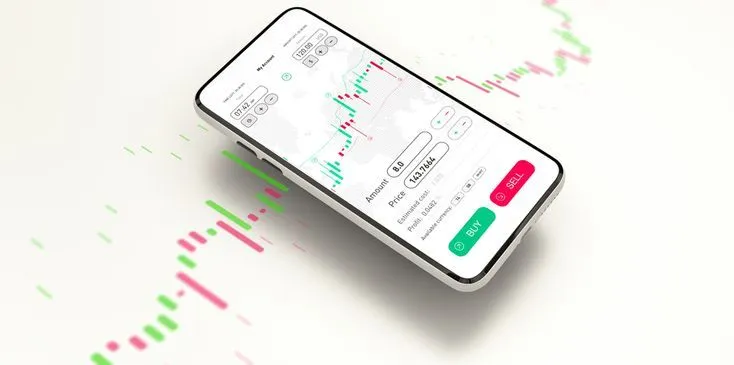
Choosing an affordable best brokers app should involve more than checking whether the platform looks modern or is easy to download. Beginners need an app that clearly presents prices, charts, order controls and account information while supporting responsible practice. Before placing any trades, users should explore how the interface works and whether important functions are easy to locate. A suitable broker app should make market analysis and risk management understandable rather than encouraging users to trade simply because mobile access makes participation convenient.
Review the Available Markets
The first practical check is whether the app provides access to markets that match the trader’s learning goals. Beginners interested in forex may prefer to begin with a few major currency pairs rather than immediately exploring every available instrument. Some trading platforms also offer CFDs linked to metals, indices, shares and cryptocurrency markets. A wide selection can be useful, but more choice does not automatically improve learning. Traders should understand the characteristics, trading hours and potential volatility of an instrument before adding it to their regular watchlist.
Examine Charts and Market Information
Charts should be clear enough to support basic analysis without forcing users to move constantly between confusing screens. Traders can check whether the app provides multiple timeframes, drawing tools and commonly used technical indicators. Price information should also be easy to read when markets become active. Beginners may benefit from focusing on simple concepts such as market direction, support and resistance before adding more complicated tools. An effective app helps organise information logically, allowing users to study price behaviour before deciding whether a potential setup meets their trading rules.
Practise With a Demo Environment
Using demo trade services can help beginners understand a broker app before they expose real capital to market movements. A demo environment allows traders to practise opening positions, adjusting order size and applying stop-loss or take-profit instructions using simulated funds. This is also an opportunity to test whether navigation remains comfortable during active periods. However, virtual trading should be approached realistically because successful demo results cannot guarantee live performance, where real financial consequences and emotional pressure can influence decision-making differently.
Check Order and Risk Controls
A broker app should make order management straightforward without hiding important risk information. Beginners need to understand where position size is entered, how margin is displayed and how protective instructions can be applied. Stop-loss tools may help define potential exits, although they cannot eliminate every trading risk. Leverage also requires careful attention because it can magnify both gains and losses. Traders should practise calculating exposure before confirming an order so that risk is determined by a planned process rather than by excitement about a possible market opportunity.
Test Stability and Navigation
Mobile trading depends on both platform performance and the quality of the user’s internet connection. During practice sessions, traders should observe how quickly charts load, whether open positions remain easy to monitor and how smoothly they can move between instruments. The purpose is not to demand perfect performance under every condition but to understand how the app behaves during normal use. Familiar navigation can reduce operational mistakes, especially when markets move rapidly. Traders should nevertheless avoid assuming that faster access automatically leads to better trading decisions or outcomes.
Look for Useful Learning Resources
Educational tools can add value when they help users understand market behaviour rather than simply encourage more frequent trading. Economic calendars, market commentary, platform guides and introductory articles may help beginners learn how interest rates, inflation, employment reports and other events can influence currencies. Traders should compare information from multiple reliable sources and avoid treating general educational material as personalised financial advice. Keeping a journal alongside these resources can also help users review their reasoning, identify recurring mistakes and improve the consistency of their practice routine.
Conclusion
A broker app should support analysis, risk awareness and disciplined practice rather than simply provide convenient access to markets. Beginners should review available instruments, charting tools, order controls, platform stability and educational resources before deciding whether an app suits their needs. The trading information and tools available through btcdana.com can be considered as part of that evaluation process. Forex and CFD trading still involve substantial financial risk, so careful preparation, realistic demo practice and independent assessment remain important before any trader considers using real funds.